
Run your hand along an old deck rail, and you feel the years before you see them. Dry, rough, a little gray where the sun pulled the color out. We bring that wood back. Mansour Painting stains decks, fences, and outdoor wood for homeowners in Clarkston, MI, and nearby towns.
Wood is the one surface on your house that keeps moving. It drinks in water, swells, and ages faster than anything else outside. A good stain soaks into the grain, seals out moisture, and protects the board from the inside, so your deck stays solid instead of graying out and splintering.
Michigan weather is hard on outdoor wood, and your deck catches the worst of it. Snow sits flat on the boards for weeks, melts into the grain, then freezes again and pries at the wood from the top down. Add road salt all winter and summer sun that fades bare wood gray, and an unprotected deck ages fast.
A good stain slows that down. It soaks in and lets the boards flex, so it holds up where paint cracks and peels on a flat, walked-on surface. Over clean, dry wood, it keeps moisture out, slows UV fading, and helps prevent the rot that drives homeowners to replace boards, usually at a fraction of the cost.
5.0
From 40+ ratings
At Mansour Contracting inc, we proudly serve Clarkston and nearby communities with heart-driven craftsmanship and attention to detail. Whether you’re staining furniture, decks, or wood flooring, our skilled team delivers rich, long-lasting finishes with care, purpose, and professionalism.
We stain just about every kind of exterior wood on a property. Here’s what we work on most.
Your deck takes more abuse than any wood you own. Our wood deck staining seals out moisture and sun, guards against splintering, and adds years to the boards. If yours has gone gray, the right stain usually brings the color back.
A fence runs the whole edge of your yard, so it’s worth protecting. Our wood fence staining shields every picket and post from rain, snow, and sun while bringing out the grain. We handle cedar fence staining and other woods in clear, semi-transparent, or solid finishes.
Plenty of wood gets ignored until it weathers. We stain those pieces too:
Your outdoor furniture works as hard as your deck. We restore and stain outdoor wood furniture, refreshing the finish and sealing the grain so it holds up through the wet and cold.
Good staining is mostly about what happens before the stain goes on. Skip the prep and even the best stain peels. Here’s how a project goes.
We walk the wood with you and check its real condition, looking for peeling stain, mildew, cracks, soft spots, and rot. If a board or post is too far gone, our wood replacement crew swaps it out first.
We power wash off dirt, mildew, and chalky buildup, sand the rough spots, and strip any failing stain. Then we let the wood dry fully, because staining damp wood traps moisture and leads to a finish that doesn’t last. It’s the part you never see, and it decides whether the stain holds.
With the wood ready, we help you land on the right stain. We talk through transparent, semi-transparent, and solid finishes, how each looks on your wood, and how much protection it needs.
We apply the stain by brush, roller, or sprayer, depending on the surface. We work it evenly into the grain and watch the edges, railings, and corners so nothing looks patchy.
Once it sets, we walk the finished deck with you, then pack up, sweep, and clear the area so you can get back to using the space.
Staining looks simple, but the gap between a quick coat and a job done right shows up a year later. Hire an experienced crew, and you get:
Plenty of homeowners come to us ready to replace a gray deck that just needed a clean and a coat. See what they say on our reviews page.
Picking a stain comes down to color and finish. A transparent stain is near-clear and shows the most grain with light protection. A semi-transparent adds a soft tint while still showing grain. A solid covers like paint, hiding grain but giving the most protection and color range.
For color, natural wood tones keep the classic look, while modern darker stains feel richer. More often than not, we suggest pulling your tone from your home’s existing colors so it all works together.
What staining costs come down to a few things, including how big the surface is, the condition of the wood, the prep involved, and the stain you pick. A weathered deck that needs heavy cleaning and repairs runs more than a fence in good shape. Quality stain and careful prep cost a little more up front, but they beat a rushed coat that peels inside a year.
Want to protect your wood before another winter? Contact Mansour Painting for a free wood staining estimate. We’ll check the condition of your deck, fence, or other wood, talk through your options, and lay out a clear quote before any work starts.
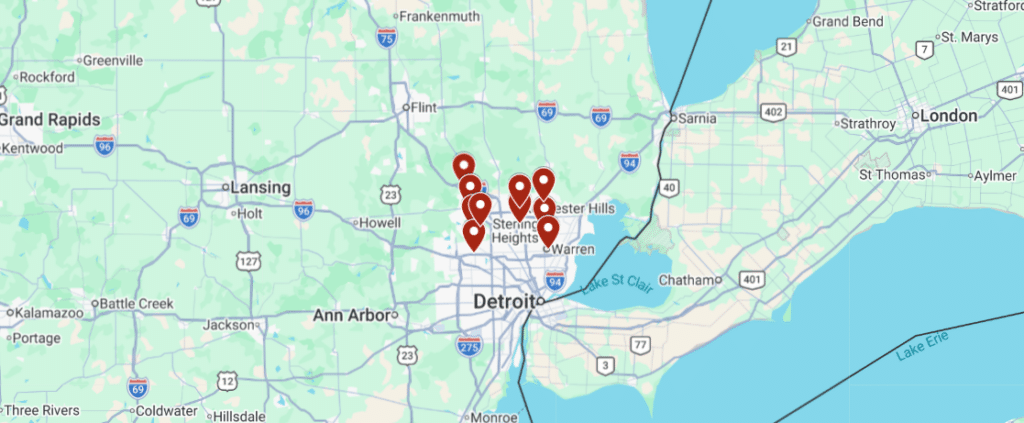
We stain wood across Clarkston, Waterford, Lake Orion, Oxford, Ortonville, Independence Township, and nearby Michigan communities. Painting the siding too? Pair it with our exterior painting services, or bring that same finish indoors with kitchen cabinet refinishing.
Most decks need a fresh coat every two to four years, depending on sun, traffic, and the winters. Splash a little water on the boards, and if it soaks in instead of beading, it’s time, though you rarely need to restain every year.
For most decks and fences, yes. Stain soaks in and lets the wood flex, so it doesn’t crack and peel the way paint does on a walked-on surface, and it’s easier to refresh later.
It’s about how much grain shows. Transparent is near-clear with light protection, semi-transparent adds a soft tint while still showing grain, and solid hides the grain like paint for the most protection and color.
Usually two to four years. Stain wears away gradually instead of peeling, and redoing it means a clean and fresh coat, no heavy scraping.
Most of the time it comes right back. That gray is usually surface wear, not damage, which means cleaning, sanding, and a fresh stain will restore it. We only replace boards that have gone soft or rotted.
A new deck usually waits. Pressure-treated lumber arrives damp and needs a few weeks to a few months to dry, so if water still beads on the surface, it’s not ready yet.